How can a building become more eco-friendly?
Measure before you act
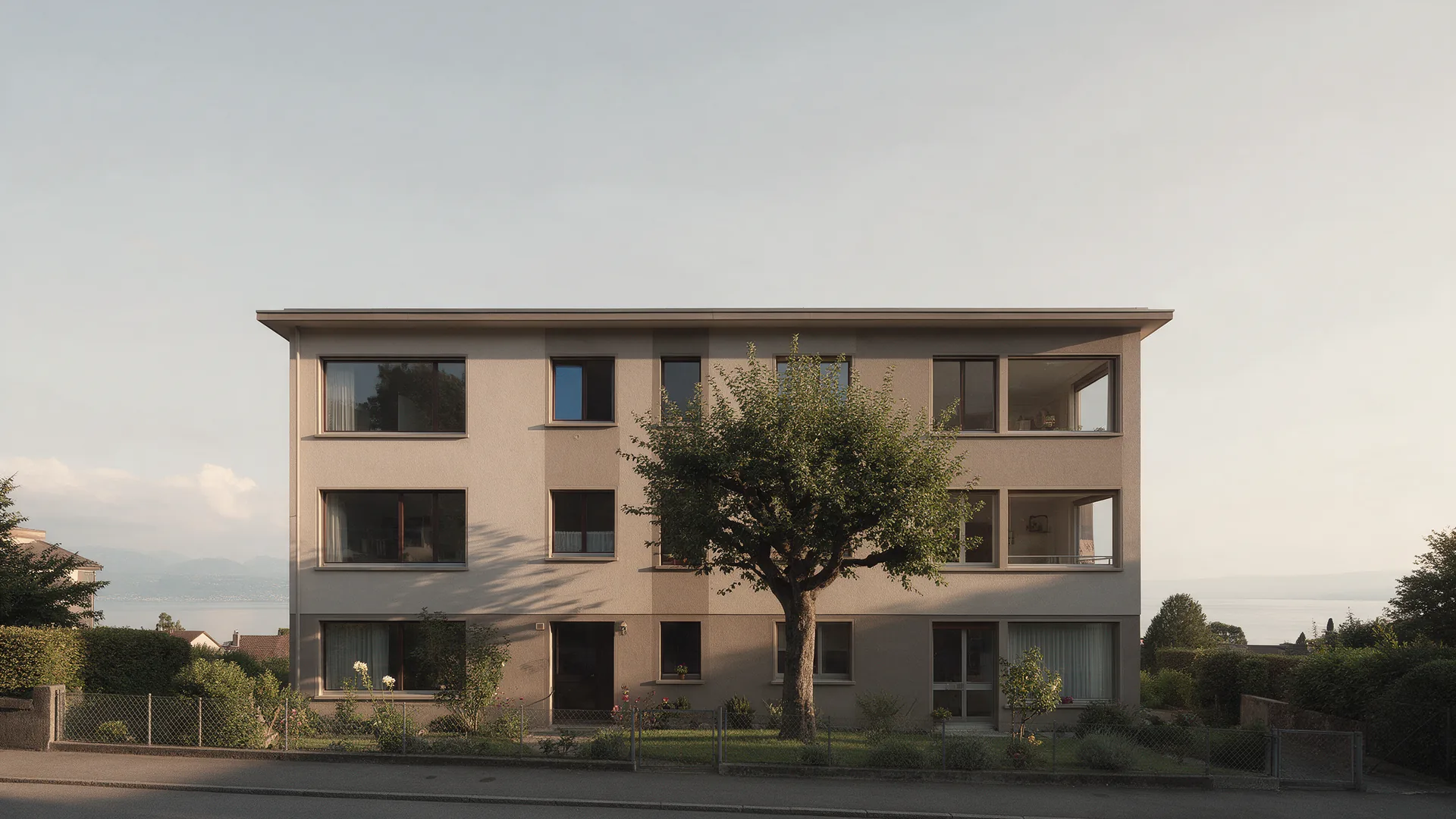
Before choosing any work, you need to know where the energy goes. In Switzerland, the CECB, the cantonal energy certificate for buildings, rates a building from A to G on the efficiency of its envelope, its overall energy efficiency and its direct CO2 emissions.
The CECB Plus version adds three variants of renovation measures: a solid basis for deciding in which order to act.
Thermal insulation first
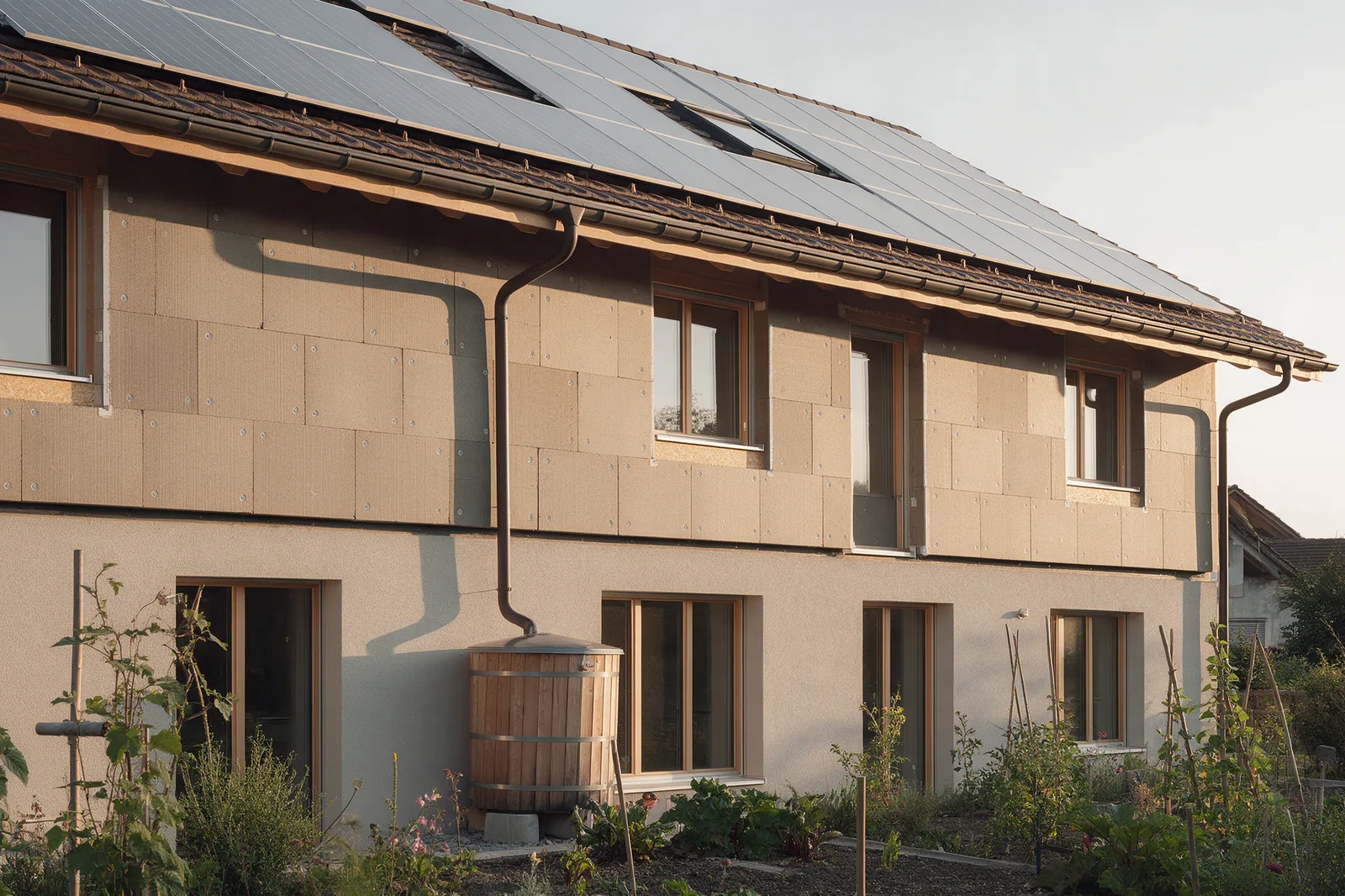
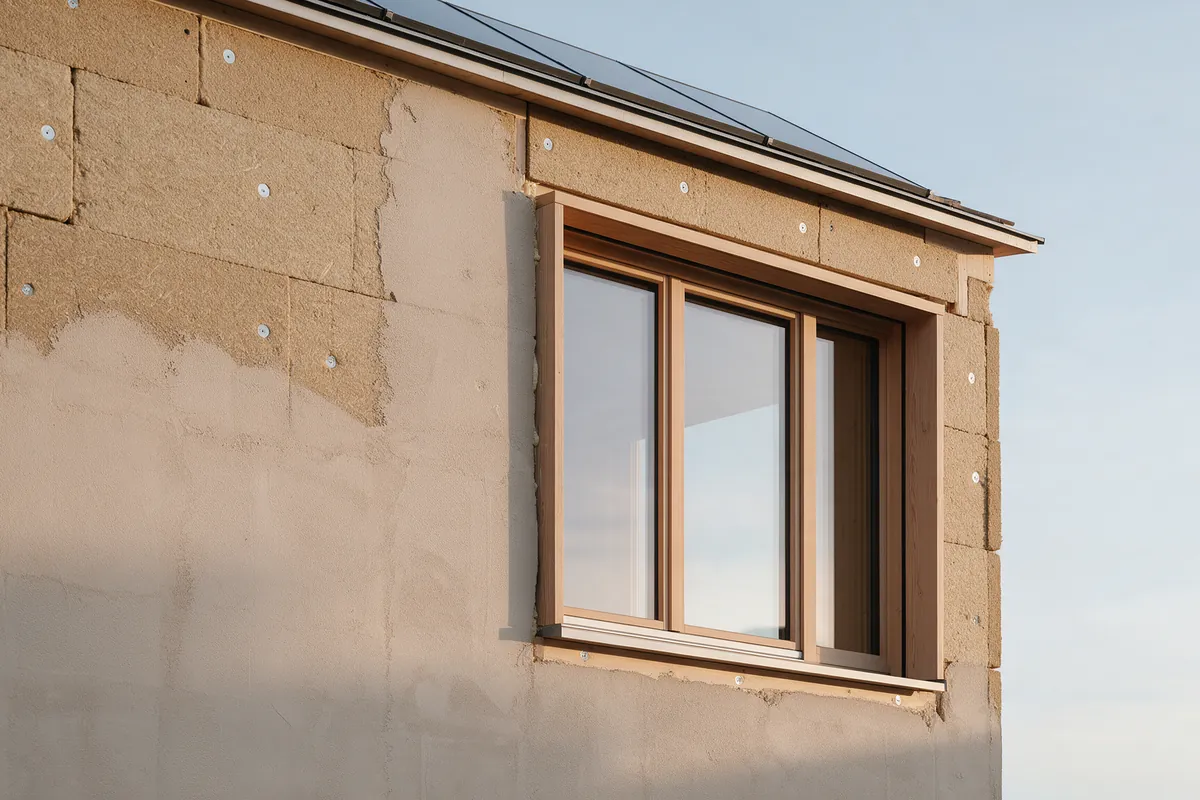
Proper insulation keeps the indoor temperature stable and reduces energy consumption, and with it the heating costs.
Roof, facades, windows, ground floor: heat escapes through the envelope, so that is where the work matters most.
Lighting and appliances
Switching to LEDs and choosing highly energy-efficient appliances cuts consumption without major work.
In the common areas, presence detectors avoid lighting empty staircases.
Water, a resource to save
Low-flow taps and showers reduce everyday water consumption.
Depending on the building, a rainwater harvesting system can supply the watering of outdoor areas.
Subsidies: ask before the work starts
The cantons support the energy renovation of buildings, and the conditions vary from one canton to another. In Valais, for example, the subsidy application must be filed and approved before the work starts.
Contact the cantonal energy office before starting the work.
What we do for you
We plan the work with you, coordinate architects and qualified tradespeople, and favour sustainable materials: your property’s environmental footprint goes down and its value goes up.
Sources
A renovation project?